

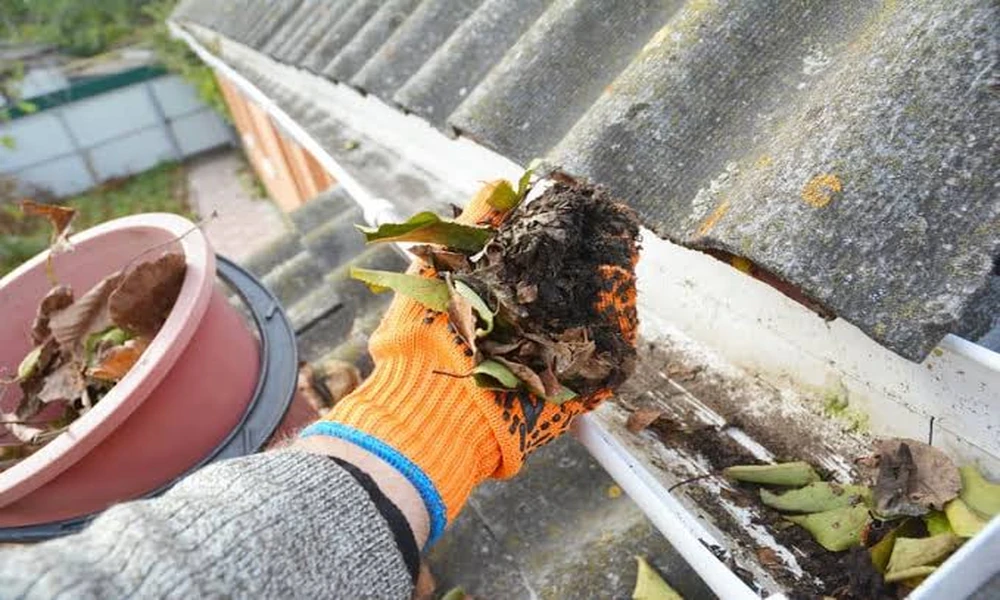
On a dry Saturday, cleaning your own gutters looks like the obvious money-saver. You own a ladder, you have a free afternoon, and a pro would charge you for something that seems simple. But when you add up everything the job really involves, the comparison gets more interesting, especially for homeowners searching for Gutter Cleaning services.
This post breaks down the true cost of DIY versus professional gutter cleaning, including the one expense people rarely put on the spreadsheet: the risk of getting hurt.
The Cost You See: Money
DIY costs look low at first. You may already own a ladder, gloves, and a bucket. If not, you’ll likely buy or rent some combination of:
- An extension ladder of the right height, plus stabilizers or standoffs
- Work gloves, eye protection, and sturdy shoes with good grip
- A gutter scoop, hose, and bags or buckets for debris
- A tool for reaching downspouts and clearing clogs
Then there’s the cost people forget: your time. A single-story home might take a couple of hours, but a multi-story home with long runs, tight access, and clogged downspouts can take much longer. If you value your weekend, that matters.
Professional costs vary by home size, height, number of stories, roof pitch, how clogged the gutters are, and access. Most companies price by the linear foot, by the story, or with a flat rate after seeing the property. Get a written quote so you know exactly what’s included, such as downspout flushing, debris haul-away, and a quick check for damage.
On paper, DIY wins on cash outlay. But cash isn’t the whole bill.
The Cost You Don’t See: Injury Risk
Gutter cleaning is one of those chores where a small mistake can have outsized consequences. Ladder falls are a well-documented cause of serious household injuries, and gutter work combines several risk factors at once: height, awkward reaching, wet or slippery surfaces, and heavy debris.
Common ways DIY gutter cleaning goes wrong include:
- Overreaching. Leaning too far to one side to avoid moving the ladder is one of the most common causes of falls.
- Unstable footing. Soft soil, sloped ground, or uneven pavement can cause a ladder to shift without warning.
- Slick conditions. Wet leaves, moss, morning dew, and fog moisture make both ladders and roof edges slippery.
- Carrying while climbing. Holding a bucket or tool in one hand means you’re not holding the ladder properly.
- Hidden hazards. Wasp nests, rodents, sharp debris, and electrical service lines near the roofline can turn a routine task into an emergency.
If you fall, the costs can include medical bills, lost work time, physical therapy, and a long recovery. Even a minor injury can quickly exceed what a year or more of professional service would cost. This isn’t meant to scare you off DIY entirely, but it is worth weighing honestly.
Why San Francisco Homes Make It Harder
Local conditions change the math. Many homes in the city have features that make gutter work more demanding than it looks:
- Steep terrain. Hillside lots can make it hard to find level ground for a ladder.
- Tall, narrow homes. Multi-story Victorians, Edwardians, and row houses often have gutters well above a safe ladder reach, with limited side access.
- Tight setbacks. Narrow side yards and close neighbors leave little room to position a ladder safely.
- Trees and debris. Eucalyptus, cypress, and other trees drop leaves, bark, seed pods, and needles that pack gutters quickly.
- Wet weather. Heavy winter rains, plus fog and damp air, keep roofs and gutters slick and encourage moss and buildup.
For many homeowners, these factors are the difference between a manageable chore and a risky one. That’s why people comparing options for Gutter Cleaning San Francisco homes need often lean toward professional help, especially above the first story.
What Happens If Gutters Aren’t Cleaned Properly
The cost of doing the job badly, or not at all, can also be significant. Clogged or overflowing gutters can lead to:
- Water spilling over the edge and pooling near the foundation
- Damage to fascia boards, soffits, and roof edges
- Rot in wood trim and siding
- Water intrusion into walls, basements, or crawl spaces
- Pest problems, since standing water and debris attract mosquitoes, rodents, and birds
- Sagging or detached gutters from the weight of wet debris
These repairs are often far more expensive than routine cleaning, which is why consistency matters whichever route you choose.
DIY vs. Professional: A Side-by-Side Look
| Factor | DIY | Professional |
| Upfront cash cost | Lower, especially if you own the gear | Higher per visit |
| Your time | Several hours or more | Minimal |
| Injury risk | Higher, especially above one story | Lower, with trained crews and proper equipment |
| Equipment | You buy, store, and maintain it | Provided |
| Thoroughness | Depends on your experience | Often includes downspout flushing and inspection |
| Insurance protection | Your own health and homeowner’s coverage | Licensed, insured providers carry liability coverage |
| Best for | Single-story homes with easy access | Multi-story, steep, tree-heavy, or hard-to-reach homes |
When DIY Can Make Sense
Doing it yourself can be reasonable when:
- Your home is a single story and the gutters are reachable from the ground or a short, stable ladder
- The ground around the house is flat and firm
- You’re physically comfortable with ladder work and have a helper to steady it
- You have the right gear and plenty of time
- Conditions are dry, calm, and well lit
If you go this route, use a ladder rated for your weight plus tools, keep three points of contact, never overreach, and move the ladder rather than stretch. Skip the job near power lines, in wet weather, or if you feel unsure at any point.
When to Call a Professional
Hiring out is usually the better call when:
- Your gutters are above the first floor
- The roof is steep, wet, or mossy
- Your lot is sloped or access is tight
- You have mobility, balance, or health concerns
- The gutters are badly clogged or already damaged
- You’d rather spend your weekend on something else
What to Ask Before You Hire
When comparing providers of Gutter Cleaning residents can rely on, ask:
- Are you licensed and insured, including workers’ compensation coverage?
- What’s included: debris removal, downspout flushing, and a final rinse?
- Do you price by linear foot, story, or flat rate, and are there extra fees?
- Do you take photos or notes of any damage you find?
- How do you protect landscaping and clean up afterward?
The insurance question matters most. If an uninsured worker is hurt on your property, you could be on the hook for the consequences.
The Bottom Line
DIY gutter cleaning is cheaper in cash but can be costly in time, effort, and risk. Professional service costs more up front but buys you safety, thoroughness, and peace of mind, especially on tall, steep, or tree-covered San Francisco properties.
If your home is a single story with easy access, DIY can be a sensible choice. For everything else, the true cost of the job includes the risk of a fall, and that’s worth far more than the price of a service call. When you’re ready to hand it off, look for a reputable provider of Gutter Cleaning San Francisco homeowners trust, and get the job done right before the next storm hits.