

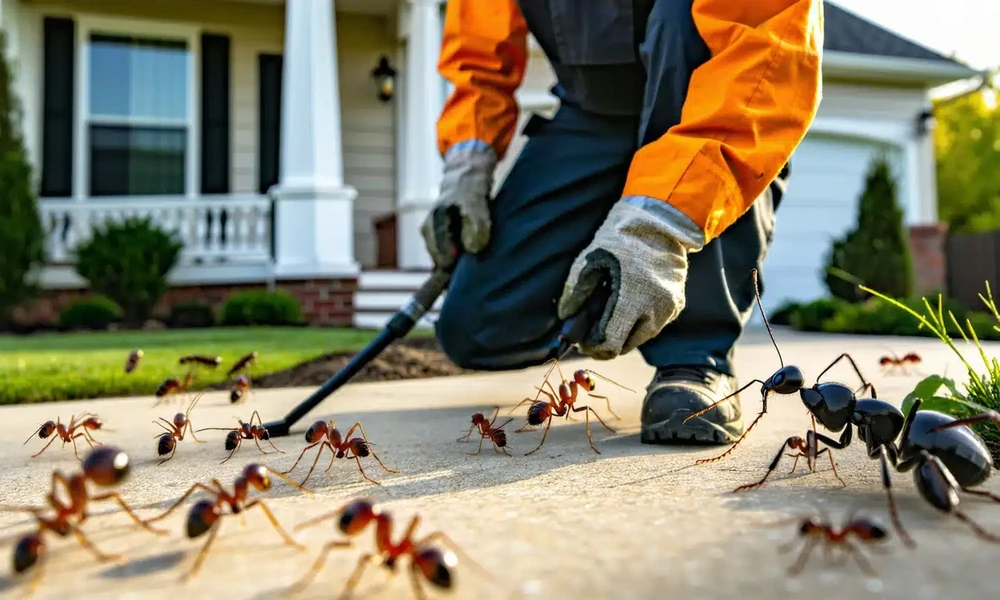
Pest pressure in Huntsville changes from one season to the next, and good service changes with it. A spring visit deals with different pests than a fall one, so the timing of each treatment matters as much as the treatment itself. North Alabama’s long warm season keeps the calendar full from early spring into late fall. Palisade Pest Control services can be matched to this calendar to keep a home protected without wasted effort.
Spring Targets Termites and the First Insects
Spring is termite season in north Alabama, when warm rain pushes subterranean colonies to swarm and look for new wood. A spring visit checks for mud tubes and swarmers while there is still time to act. Ants and the first wasps turn active as the ground warms. Catching these early sets the tone for the rest of the year.
Summer Shifts to Mosquitoes and Stinging Insects
By summer, the work moves outdoors to the yard. Mosquitoes breed in any standing water during Huntsville’s humid, stormy months, and wasp and hornet colonies grow through the season. Treatment focuses on breeding sites, the perimeter, and nests before they reach full size. Palisade Pest Control times its summer visits to the peak of mosquito and stinging-insect activity, when control does the most good.
Fall Brings Rodents and Overwintering Pests
As the nights cool, mice, rats, and insects start looking for a warm place indoors. A fall visit shifts to exclusion, sealing gaps and checking entry points before pests move in for winter. Overwintering insects like lady beetles and stink bugs gather on warm walls and slip through small openings. Stopping them in fall is easier than clearing them out from inside later.
The Pests That Stay Active All Year
Some pests in Huntsville do not wait for a season. Ants, cockroaches, and spiders stay active indoors through most of the year, helped by the mild climate and heated homes. Imported fire ants build mounds in lawns from early spring into late fall. A plan has to handle these year-round pests alongside the seasonal ones, which is part of why a once-a-year treatment leaves gaps.
Why One Spring Treatment Is Not Enough
A good spring treatment fades over the following months. The products used break down with sun, rain, and time, and new generations of insects hatch after the treatment is applied. Pests also keep moving in from neighboring yards all season. Spacing visits across the year keeps the protection current instead of letting it wear off by midsummer.
Why Quarterly Visits Fit the Local Calendar
A quarterly schedule lines up with these shifts, giving each season its own focus:
- Spring. Termite checks and the first insect activity of the year.
- Summer. Mosquitoes, wasps, and heavy outdoor pressure.
- Fall. Rodent exclusion and overwintering insects.
- Winter. Indoor pests and a check of the sealing done in fall.
Winter Is Not a Break From Pests
Huntsville winters stay mild, so the cold season does not clear pests the way it does further north. Rodents that moved in during fall keep breeding in warm walls and attics through the winter. Cockroaches and spiders carry on indoors, and the odd warm spell can wake insects early. A winter visit checks on the rodent work from fall and treats the indoor pests that stay busy. The quiet season outdoors is a good time to seal gaps before spring brings the next push.
How a Local Company Reads the Calendar
A plan built for north Alabama leans on local timing more than a general schedule would. The spring termite swarm, the summer mosquito peak, and the fall rodent move each arrive within a known window here. A technician who works these neighborhoods knows roughly when each one starts and can treat ahead of it. That head start is the advantage of timing service to the local calendar instead of a national one.
Planning Around the Season Instead of the Problem
Pest control works best when it anticipates the season instead of reacting to it. In Huntsville, where the warm months run long, a plan spread across the year catches each pest at the point it is easiest to manage. A home on that kind of schedule meets fewer surprises than one treated only after a problem appears.