

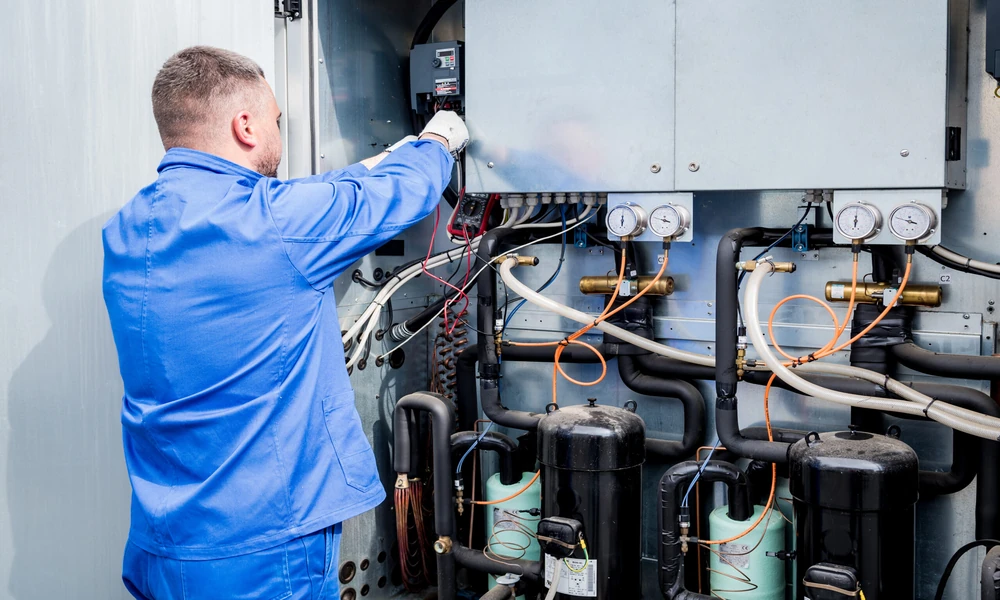
For a restaurant, grocery, bakery, café, or convenience store, refrigeration is not a background appliance. It holds the inventory, protects customers, and keeps the business legal. When a walk in cooler fails on a Saturday night, the loss is not just the repair bill. It is spoiled product, lost sales, and sometimes a closed kitchen. Most failures give warning first, and a simple maintenance routine catches the signs while the fix is still small. Here is a plan organized by how often each task should happen.
Start with an installation that fits your operation
Good maintenance begins before the equipment is switched on. A unit that is undersized for the load, placed next to a heat source, or crowded into a space with no airflow will struggle from day one, no matter how well it is cleaned later. When planning a new cooler, freezer, reach in unit, or display case, think about how often the doors will open, how much warm product goes in at once, the temperature of the room, and how much clearance the condenser needs to breathe.
Drainage, electrical capacity, and access for service matter just as much. Equipment tucked into a spot where a technician cannot reach the coils or the controls will be neglected simply because it is hard to get to. Ask the installer to explain the reasoning behind the placement and sizing, and keep the paperwork, model numbers, and warranty information in one place.
Choose a service partner before something breaks
The worst time to find a refrigeration contractor is during a breakdown. Business owners searching for Grays Harbor County commercial refrigeration installation maintenance should look for a company that handles both installation and ongoing service, so the same people who set up the system understand its history. Ask about response times, after hours availability, the brands they work on, and whether they offer scheduled maintenance agreements with written checklists.
Request a service record after every visit. A record of what was found, what was done, and what to watch next helps you spot patterns and gives you documentation if a health inspector asks.
Daily: check temperatures and doors
The most valuable habit is also the simplest. Look at the temperature display on every unit at the start and end of each day, and record the readings in a log. Displays can drift, so confirm them occasionally with a calibrated thermometer placed in the warmest part of the unit.
The FDA Food Code, described on the FDA’s Food Code page as a model used by regulators to develop their food safety rules, sets 41 degrees Fahrenheit or below as the standard for holding cold foods that need temperature control. Local health departments adopt and enforce their own versions, so check which rules apply to your business. Beyond the numbers, take a moment to confirm that doors close fully, gaskets are not torn, no ice is building up in unusual places, and nothing sounds different from the day before.
Weekly: protect airflow and seals
Once a week, wipe down door gaskets and check them for cracks, gaps, or stiffness. A leaky gasket lets warm, humid air in, which makes the compressor run longer and builds frost on the coils. Make sure product is not stacked against the evaporator fans or blocking air vents inside the cooler, since overfilling restricts the circulation that keeps temperatures even.
Check drain lines and pans for clogs or standing water, and look at the floor around the units for puddles. Sweep and mop around the equipment so dust and grease do not get pulled into the coils.
Monthly: clean the coils and inspect the basics
The condenser coil is where the system releases heat, and a coating of dust or kitchen grease makes it work much harder. Cleaning it is among the most useful maintenance tasks, but follow the manufacturer’s instructions and switch off power first. Never use a high pressure washer, which can bend the fins.
Also listen to fan motors for squealing or rattling, check that light fixtures and door heaters work, and make sure strip curtains in walk in coolers are intact. Small signs of wear caught now save you from a failure later.
Quarterly and annually: bring in a professional
Some tasks belong to a trained technician with the right tools. A thorough service visit typically includes checking refrigerant levels and looking for leaks, testing electrical connections and controls, inspecting the defrost system, cleaning evaporator coils, checking compressor performance, and calibrating thermostats. Handling refrigerant requires certification, so do not attempt it yourself.
The right schedule depends on how heavily the equipment is used. A busy restaurant kitchen often benefits from quarterly visits, while a lighter duty setup may do well with service twice a year. Follow the manufacturer’s recommendations and ask your contractor what fits your operation.
Plan for the day something fails
Even well maintained equipment can fail, so write down a simple emergency plan and keep it where staff can find it. Include the service contact numbers, the steps for protecting product, and the person responsible for making decisions. Keep doors closed to hold in cold air, move perishables to working units where possible, and keep temperature records during the event.
Follow your local health department’s guidance on what can be kept and what must be discarded, because the rules depend on the food and how long it was above safe temperatures. Document everything, including photos and the service report, in case of an insurance claim.
A maintenance plan does not need to be complicated. Daily readings, weekly seal checks, monthly cleaning, and professional service on a regular schedule add up to fewer surprises, lower energy bills, and equipment that lasts. The cost of the routine is small compared with the cost of one lost cooler of product.