

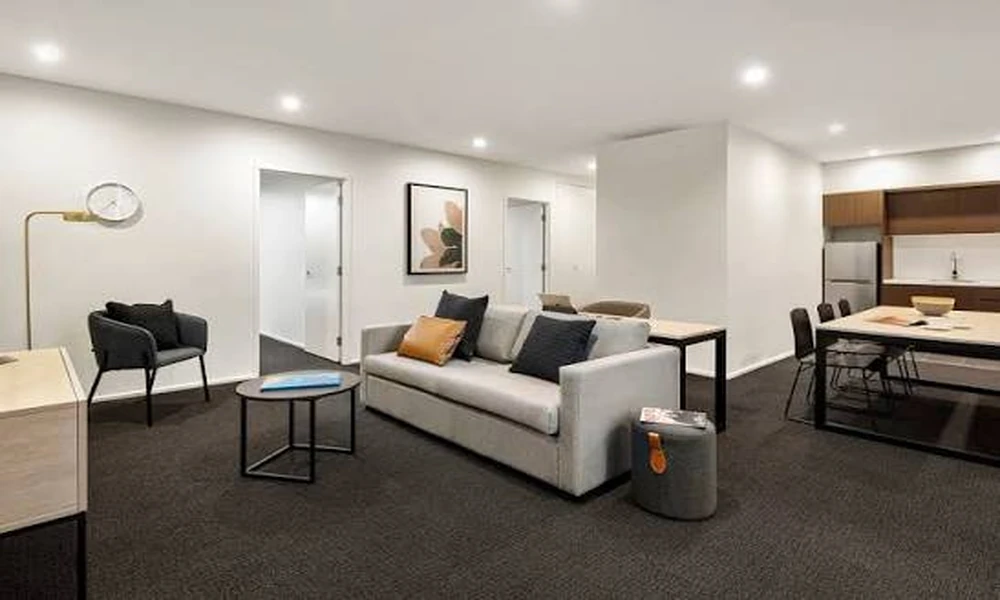
A home that is full of furniture choices of another person can hardly be considered fully personal . This is because residents have the freedom to decide on colour, layout and style at a starting level with an empty space. This is a guide on the benefits of opting to rent an unfurnished apartment to enhance a more personalised living experience.
The knowledge of how unfurnished apartments contribute to customized design of the home
Starting with a blank canvas
An unfurnished flat is a blank, versatile area with no existing options of furnishings. This blank starting point eliminates the accommodation usually associated with living furnished. The residents get complete artistic rights on the first day. Advantages of working on a blank page are:
- No existing style conflicts: It should be avoided to have mismatched furniture that is not relevant to personal taste or preference.
- Complete layout freedom: The ability to organize the rooms as per the real-life requirements, rather than preset layout.
- Fresh design direction: Coming up with a complete ground up appearance instead of having to fit into old items.
- Personal pace of setup: Room-by-room furnishing, not in a hurry to make use of the existing furnishing.
Selection of furniture in terms of individual taste
Furnished apartments restrict residents to the kind of items a landlord or operator has selected. The room is not furnished thus each furnishing is totally a representation of personal taste and preference. Such liberty tends to deliver a home that is truly individual. Style-related advantages include:
- Preferred colour palettes: Selecting furniture and decor is associated with a specific colour scheme or a specific mood.
- Material preference: The choice of the purchase of wood, metal or cloth finish based on the individual preferences and comfort.
- Design era consistency: The look of a design to be unified, a contemporary, traditional or minimalist.
- Statement pieces: Incorporation of furniture with significance or sentimental relations to personal history and identity.
Designing a layout suited to actual needs
Furnished apartments have a definite set-up which might not adapt to day-to-day activities. The empty apartment leaves a chance to decide on layout using what happens to the space in use. This versatility contributes to a living home that is more practical and comfortable. Layout-related benefits include:
- Custom room functions: Have a room shared by work, hobbies or visitors, based on their priorities.
- Furniture placement flexibility: Organizing furniture to maximize natural light, space or movement around the area.
- Scalable arrangements: The ability to change layout with ease with a changing of lifestyle over time.
- Dedicated workspace design: They are creating a customized home office environment that would fit their work needs.
Building a home with long-term investment value
The kind of furniture that is bought based on an unfurnished apartment would usually turn into an individual investment. Such items are transportable to other houses upon the relocation of a resident, as opposed to furnished rentals. This investment has a long-term contribution not limited to the current lease. Investment-related advantages include:
- Transferable furniture ownership: Furniture which is transported into subsequent apartments or homes.
- Quality over convenience: Use of quality well furnishes instead of using the available rented furnace.
- Gradual collection building: Building up thoughtful pieces over time and not buying out at once.
- Personal asset value: Furniture that has a value of resale or sentimental value that far exceeds the time frame of the rental.
To sum up
Unfurnished apartments (家具なしのアパート) embrace individual home design by freedom of layout choices, style choice and investment of furniture in the long term. This method can be seen as establishing an increased emotional attachment to a residence. Selecting an unfurnished apartment is more appropriate among those that want a house where individual preference is really considered.