

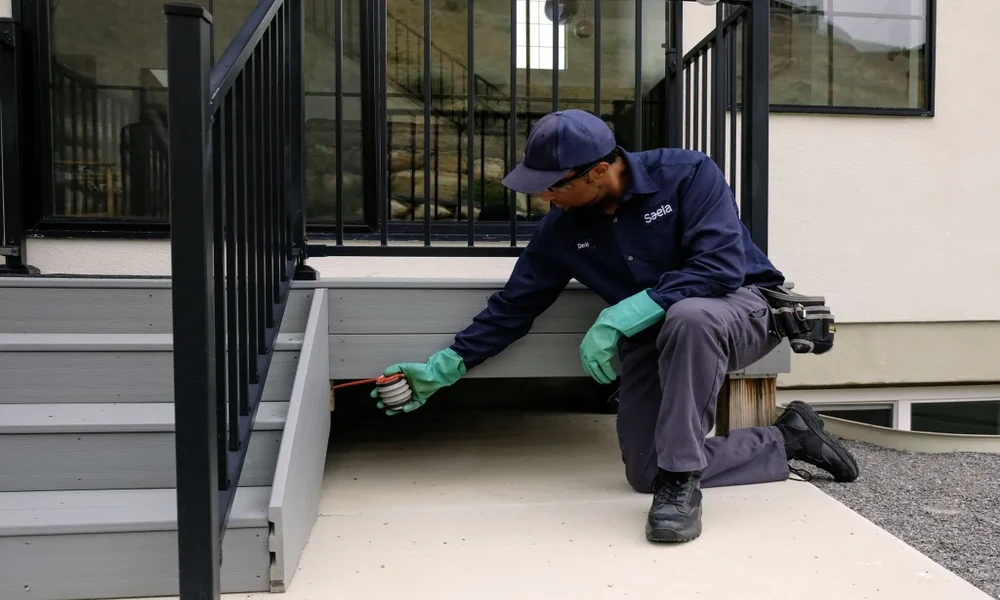
A short drive across Altamonte Springs can bring a noticeable change in pest pressure. A home bordering the wooded edges of the Little Wekiva faces different challenges than one surrounded by shops, restaurants, and parking lots near the Altamonte Mall. Those surroundings influence more than the pests themselves. They influence where an inspection begins, which conditions deserve the closest attention, and how the treatment plan comes together. That is why Altamonte Springs pest control services are strongest when technicians understand how different parts of the city influence pest activity.
Lakes, Wetlands, and the City’s Pest Patterns
Altamonte Springs sits within the Little Wekiva watershed, where lakes, wetlands, and low-lying ground influence drainage patterns across much of the city. At the center of Uptown Altamonte, Cranes Roost Lake is surrounded by parks, walking paths, and commercial development, while nearby wetlands and drainage corridors influence moisture conditions across the city. Lake Lotus Park borders a broad stretch of wooded floodplain along the Little Wekiva River, and Wekiwa Springs is close enough that much of western Seminole County shares the same humid landscape. After heavy rain, shaded ground near these natural areas often stays damp longer than open lots, giving mosquitoes more places to breed and helping moisture-loving pests remain active.
A property near the Little Wekiva corridor will not present the same concerns as one surrounded by established landscaping or dense development. Over time, technicians learn where moisture lingers after storms, which areas attract recurring activity, and where small entry points appear around local homes.
How Altamonte Springs’ Landscape Guides Inspections
Local conditions often reveal themselves in small details around a property. Drainage patterns, tree cover, nearby water, and surrounding development can indicate where pests are most likely to appear.
- Which areas flood or hold water. Homes near low-lying areas and the river floodplain often require more attention to drainage, standing water, and the moisture conditions that encourage mosquito and pest activity.
- Where wooded wetland meets housing. Homes backing onto woods tend to see rats and other wildlife coming in along the fence line and any brush that connects the yard to the trees.
- The commercial density near Uptown and the mall. The dense mix of restaurants and retail along the SR-436 corridor supports rodent populations that circulate into nearby residential streets.
- The mix of homes and businesses. Altamonte Springs blends residential neighborhoods with heavy commercial zones, which call for a different treatment plan.
Why Consistent Service Builds Better Results
A technician returning to the same properties throughout the year sees how pest activity changes with the seasons. Mosquito activity can rise near wetlands during the rainy months, while cooler nights may bring rodents closer to homes. This is the kind of history Avata builds on a property, noting the entry points and trouble spots that show up most often on a given type of home so each visit gets a little sharper.
That record matters in a city with such different landscapes. A home near the commercial areas around the mall may deal with different entry points and moisture concerns than a property beside wooded wetlands. Knowing those differences helps shape a service plan around the conditions found at each home.
How Homeowners Can Support the Service
You see your property every day, so you notice things a technician might miss on a visit. Here are a few you might want to mention:
- Point out anywhere water pools or the ground stays wet, like a low corner of the yard or a spot that never quite dries after rain.
- Report rodent activity along fences, wooded edges, or areas where vegetation meets the home.
- Share concerns about nearby conditions, such as commercial dumpsters or landscaping that may attract pests.
- Maintain regular service visits, allowing technicians to track changes and notice recurring problem areas over time.
Sharing what you notice around the property and keeping visits regular give a technician the fullest picture of what your home is dealing with. In a city shaped this much by its water and its neighborhoods, that local detail is a big part of what makes the treatment work.