

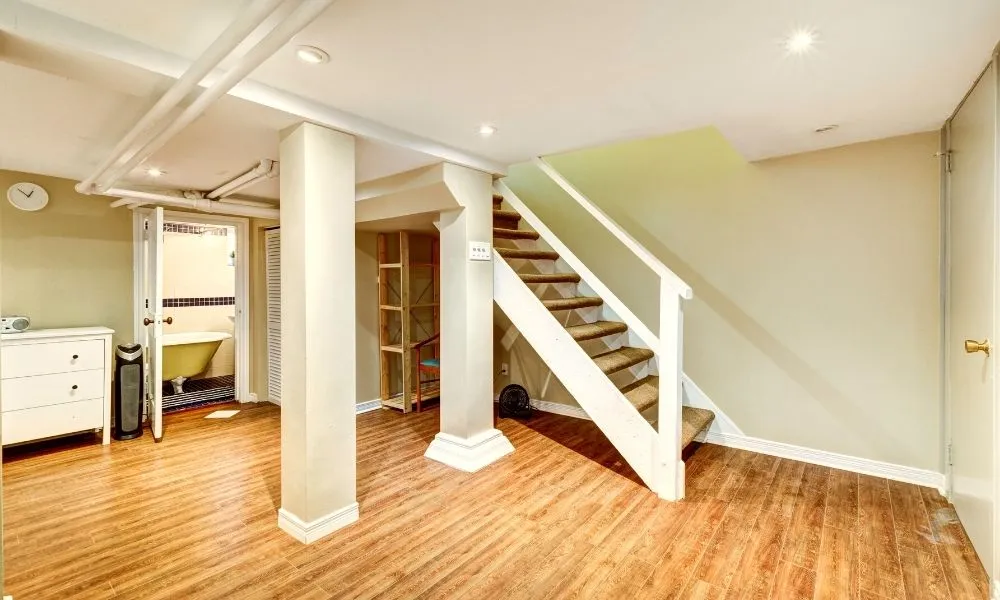
Converting your basement into a passive income suite is one of the smartest ways to make the most of your home. Not only can it serve as a valuable source of extra cash, but it also allows you to maximize otherwise unused or underutilized space. Whether you’re creating a long-term rental, a cozy Airbnb, or a private office space to lease out, a well-planned basement transformation can add tremendous financial value.
Here are five ways to turn your basement into a lucrative income suite.
1. Plan for Proper Permits and Codes
Before making any changes, the first step is to check local regulations. Most municipalities in the US have strict building codes and zoning requirements for rental units. These rules often cover elements like ceiling height, egress windows, fire safety, and separate entrances.
For instance, many cities will require your basement to have at least one emergency exit or window that meets specific size dimensions. You’ll also need to secure permits for electrical, plumbing, and structural updates. Failing to comply with these rules could result in hefty fines or stop you from legally renting out the space.
Working with a licensed contractor or consulting with your local building authority can ensure that your suite is safe, compliant, and ready for renters.
2. Focus on Functionality and Layout
A functional layout can make all the difference when designing an income suite. Think about what makes an inviting, comfortable living space. You’ll need to provide privacy, convenience, and cozy amenities that appeal to potential renters.
Start by creating a clear division between your living space and the rental unit. This can be achieved through a separate entrance, partitions, or soundproofing. Then, allocate space thoughtfully. Include a bedroom (or sleeping area), a bathroom, and a kitchenette or full kitchen.

3. Prioritize Lighting and Ventilation
Basements can often feel dark and unwelcoming, but with the right design solutions, you can transform the area into an inviting suite. Focus on increasing natural light by installing larger windows or light wells. For windowless areas, consider using bright LED lighting to mimic daylight and make the space feel more open.
Don’t overlook ventilation, either. Basements can become musty or damp without proper air circulation, which could deter potential renters. Invest in a dehumidifier, improve airflow, and use moisture-resistant materials to ensure a fresh, pleasant atmosphere year-round.
4. Add Amenities to Stand Out
When transforming your basement into a passive income suite, remember that renters are often drawn to convenience and comfort. Simple additions like modern fixtures, quality appliances, and functional furniture can go a long way in improving the space’s appeal.
You can consider extras like high-speed Wi-Fi, a smart TV, or even a small patio or garden access to show your renters that you’ve thought about their comfort and needs.
5. Market Your Suite Strategically
Once your basement suite is ready, it’s time to find renters. Take professional photos of the space and highlight its best features, such as natural light, modern amenities, or proximity to local attractions.
If you’re listing it as a short-term rental, platforms like Airbnb and Vrbo are excellent tools. For long-term renters, consider advertising on Zillow, Facebook Marketplace, or local rental groups. Be upfront about rental terms while emphasizing the benefits of living in the space, like privacy or included utilities.
Conclusion
Turning your basement into a passive income suite can be a rewarding project that boosts your property value and financial stability. By planning carefully, prioritizing comfort and functionality, and marketing strategically, you can create a desirable space that renters or guests will love.