

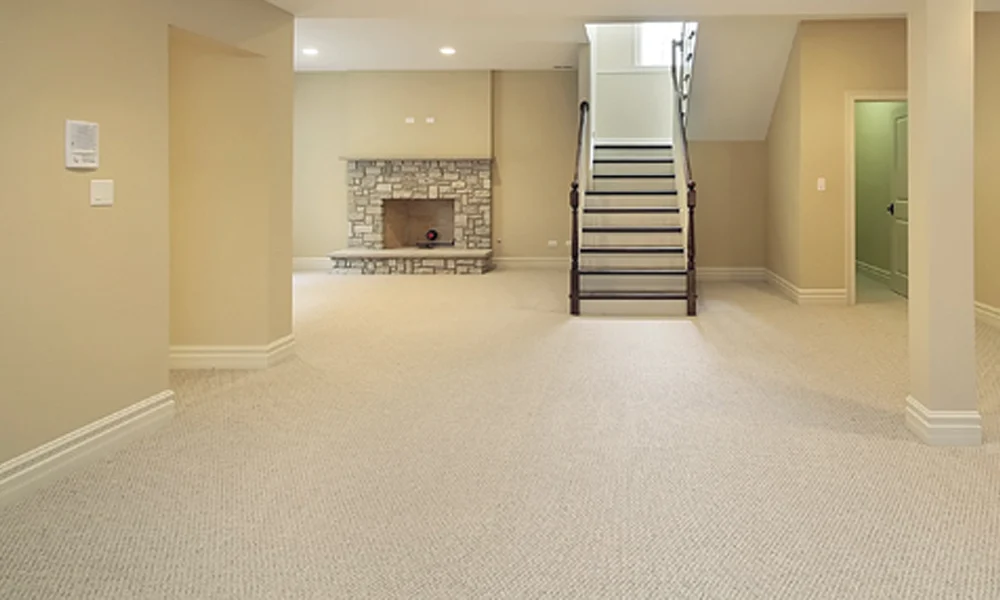
Setting up a studio in your basement can be an exciting project, whether it’s for music recording, podcasting, or simply having a quiet space to work. However, one challenge many encounter is soundproofing the area effectively. Quality soundproofing ensures that outside noise stays out, your studio’s sounds stay in, and the acoustics are optimized for your recordings or performances.
Here are five effective soundproofing tips to help transform your basement into the ideal studio space.
1. Seal Gaps and Cracks
Sound loves to sneak through even the smallest cracks and gaps. Look for areas where air can pass through, as sound follows the same paths. Start by sealing gaps in doors, windows, and any cracks in the walls or foundation.
Use weatherstripping or door sweeps on doors to block sound leakage. Acoustic caulking is another essential material for filling in cracks or seams around windows or other wall openings. Overlook this step, and even the most advanced soundproofing techniques won’t be as effective. A tightly sealed space is the first defense against unwanted noise.
2. Add Mass to the Walls and Ceiling
The principle of soundproofing relies heavily on adding mass since heavier barriers block more noise. Standard drywall alone won’t do much to stop sound from transferring between rooms or floors.
Upgrading to thicker drywall or installing a second layer is an effective approach. You can also install mass-loaded vinyl (MLV) between layers of drywall for additional sound-dampening properties. For the ceiling, consider resilient channeling paired with drywall to decouple the ceiling from the floor above, further reducing sound transfer.
If you’re on a budget, even hanging heavy curtains or blankets along the walls can help absorb some sound.
3. Invest in Flooring Solutions

Don’t overlook the floors when soundproofing. If you have bare concrete or hard flooring, sounds like footsteps or vibrations can easily travel to other parts of the house.
One solution is to add a thick, padded carpet or area rug. This helps muffle impact noise, making it ideal for music or recording setups. For greater soundproofing, consider installing an underlayment made from cork, rubber, or foam beneath your flooring.
If noise from above is an issue, try insulating the ceiling or using sound-absorbing panels in the rooms above your basement studio.
4. Use Acoustic Panels and Bass Traps
Acoustic treatment is key to creating high-quality sound within the studio. Acoustic panels absorb mid and high-frequency sound waves, reducing echo and reverb inside the room. Mount them on walls and ceilings, focusing on areas where sound is likely to reflect.
For music studios, bass traps are a must. Corners tend to accumulate low-frequency sounds, and bass traps effectively absorb these, providing balanced acoustics. Look for panels and traps made from dense, sound-absorbing materials like foam or fiberglass.
5. Install a Soundproof Door
A large amount of sound leakage happens through doors, especially if yours is hollow-core, the standard for most homes. Upgrading to a solid-core door is a significant step toward soundproofing your space.
To take it further, add a door sweep at the bottom, and seal the edges with soundproofing tape. If replacing the door isn’t an option, cover it with a soundproof blanket or an acoustic panel for a budget-friendly solution.
Conclusion
Soundproofing your basement studio doesn’t have to be a daunting task. By sealing gaps, adding mass to walls, treating floors, and using acoustic panels effectively, you can create a professional-grade space perfect for recording or performing.
Remember, soundproofing is often a combination of techniques rather than a single fix. Start with the basics, and gradually add improvements as your needs evolve. With these tips, you’ll enjoy a quiet, productive space that meets all your creative or professional goals.