

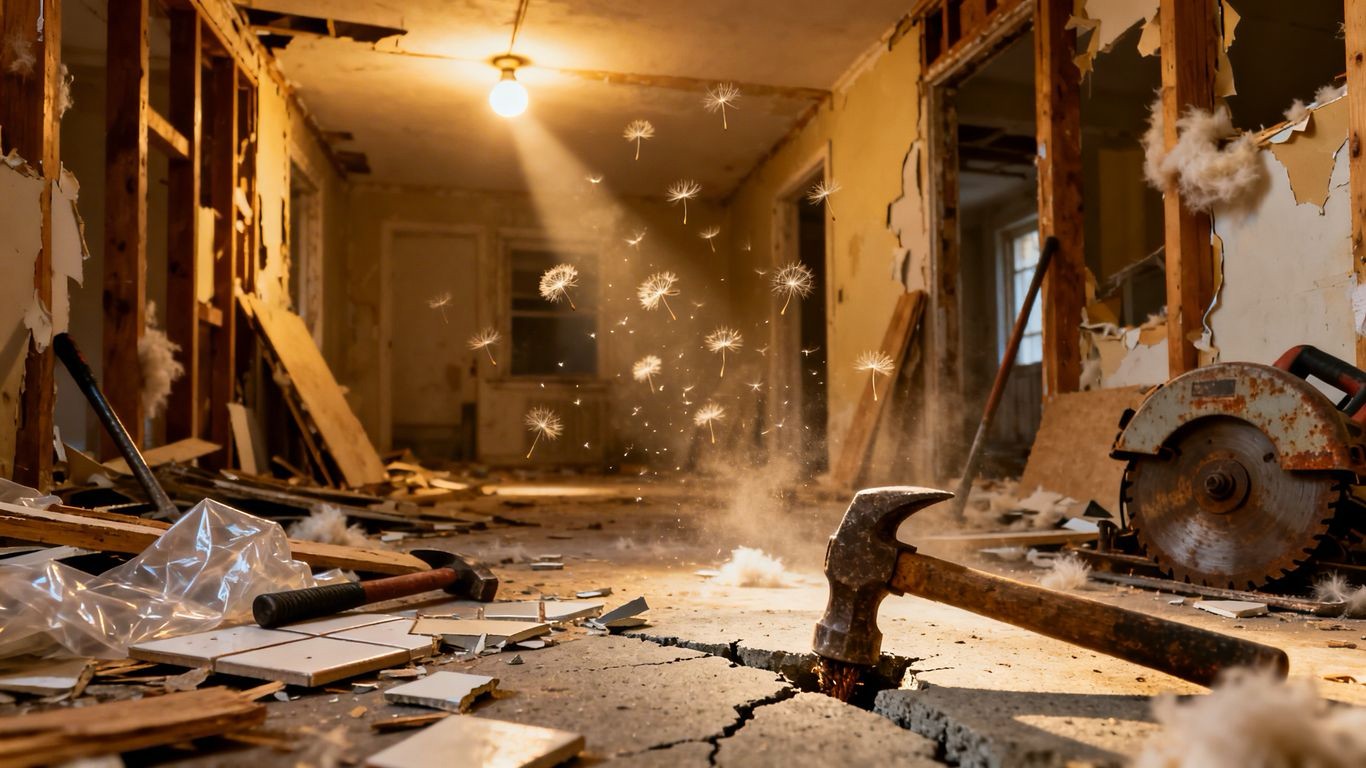
Many apartment dwellers consider undertaking renovations to improve their living space, such as installing modern frameless shower doors to open up a cramped bathroom. However, these projects, especially in older buildings, can inadvertently expose residents to significant health hazards. The primary concern during any renovation, particularly those involving demolition or disturbance of building materials, is the potential release of asbestos fibers. Asbestos was a common building material for decades due to its fire-resistant and insulating properties.
When materials containing asbestos are cut, drilled, sanded, or otherwise disturbed, microscopic fibers can become airborne. These fibers are incredibly dangerous when inhaled, as they can lodge in the lungs and lead to serious long-term health issues. Even seemingly minor DIY tasks can pose a risk if asbestos is present.
Common scenarios that increase the risk of asbestos exposure during apartment renovations include:
- Drywall and Textured Ceilings: Many older homes feature textured ceilings, often referred to as “popcorn” ceilings, or drywall that contains asbestos. Scraping, sanding, or drilling into these surfaces can release fibers.
- Flooring and Insulation: Vinyl floor tiles, the adhesive used to install them, and insulation around pipes or in attics from before the 1980s are frequent sources of asbestos. Removing old flooring or cutting into pipe insulation can be hazardous.
- General Demolition: Any work that involves breaking apart walls, ceilings, or floors, even for small upgrades, has the potential to disturb asbestos-containing materials (ACMs). If asbestos is discovered during renovations, it is critical to stop immediately and contact an asbestos abatement professional.
DIY projects often amplify these risks because homeowners may not be aware of the presence of asbestos or may lack the proper training and equipment to handle it safely. The temptation to cut costs or the lack of awareness can lead to dangerous practices. If asbestos is suspected in your apartment, it is vital to seek professional assessment before starting any work, as renovations increase the risk of exposure.
Identifying Potential Asbestos Sources in Your Apartment
When you’re thinking about updating your apartment, it’s easy to get caught up in the excitement of new finishes and improved layouts. However, for apartments built before the 1980s, there’s a significant, often overlooked risk: asbestos. This material was widely used in construction for its fire-resistant and insulating properties, but it can cause serious health problems if its fibers become airborne. Identifying where asbestos might be hiding is the first step in preventing accidental exposure.
Many common building materials used in older apartments can contain asbestos. Disturbing these materials during renovation, even with seemingly minor tasks, can release dangerous fibers into the air.
Asbestos in Drywall and Textured Ceilings
Drywall, especially joint compound used to finish seams, is a frequent hiding place for asbestos. If your apartment has textured ceilings, often called “popcorn ceilings,” these finishes commonly contained asbestos. Scraping, sanding, or even drilling into these surfaces can release asbestos fibers.
- Drywall: Look for asbestos in joint compound, patching materials, and even the paper facing of older drywall sheets.
- Textured Ceilings: “Popcorn” or other spray-on textures applied before the mid-1980s are prime suspects.
- Painting: While painting itself might not disturb asbestos, sanding or scraping old paint layers on textured surfaces could.
Vinyl Flooring and Pipe Insulation Hazards
Many types of vinyl flooring, including tiles and sheet flooring, as well as the adhesive used to install them, contained asbestos. Older homes also frequently feature asbestos insulation wrapped around pipes, particularly around heating systems and hot water pipes. Cutting, breaking, or removing these materials can be hazardous.
- Vinyl Flooring: Both the tiles and the black adhesive underneath can contain asbestos.
- Pipe Insulation: This often looks like a grey or white wrap around pipes and can be brittle.
- Other Areas: Asbestos might also be found in some older insulation boards, cement products, and even some types of caulking.
Older Building Materials and Their Asbestos Content
Beyond the most common culprits, a wide range of building materials used in older apartments could contain asbestos. The exact composition varied by manufacturer and year of production, making visual identification unreliable. If your apartment was built or significantly renovated before asbestos use was phased out, it’s wise to assume certain materials may contain it until proven otherwise.
- Roofing and Siding: Some exterior materials might contain asbestos.
- Insulation: Besides pipe insulation, vermiculite insulation in attics or walls is a known source.
- Fireproofing: Materials used for fire resistance in various applications could include asbestos.
Because it’s so difficult to tell if a material contains asbestos just by looking at it, the safest approach is to treat any suspect material with caution. If you plan any renovation work that might disturb these older building components, professional testing is highly recommended.
Preventing Asbestos Exposure During Apartment Upgrades
Staying safe during apartment renovations isn’t just about avoiding splinters or bruised thumbs. When it comes to older apartments, especially those built before the 1980s, you have to worry about asbestos—a material you can’t see, but one that can cause big problems if disturbed. Here’s what needs to happen to keep everyone safe:
The Importance of Asbestos Surveys Before Renovation
Never start tearing into walls or ripping up old floors until you know exactly what you’re dealing with. Residents who later develop mesothelioma despite precautions can find strength and guidance through mesothelioma survivor community and stories shared by others who have faced similar diagnoses. An asbestos survey is basically a test that checks where asbestos-containing materials might be hiding in your apartment. It’s important because nearly any part of a pre-1980s apartment—like drywall, textured ceilings, or old vinyl flooring—could have asbestos inside. If you crack, scrape, or sand these materials before doing a survey, you risk releasing tiny fibers into the air.
A proper survey should be done by a trained inspector. Don’t skip this. The process usually looks like this:
- The inspector examines and samples potential trouble spots.
- They send those samples to a lab.
- You get a report with a list of materials that are safe and those that aren’t.
Even if your to-do list is small, the peace of mind is worth it. Never assume your apartment is asbestos-free.
When to Hire Professionals for Asbestos Management
Once you know asbestos is present, you may be tempted to just fix things yourself. But this is one of those times where it’s best to call in the experts. Asbestos abatement professionals have special training and use equipment you probably don’t have in your toolkit. They know what to seal off, how to keep dust contained, and what safety gear to use. DIY approaches—no matter how handy you are—can release invisible fibers that stick around long after the work is done.
Some telling moments to hire a pro:
- If demolition or removal of any old flooring, drywall, ceiling tiles, or pipe wrapping is involved.
- When the material looks damaged, crumbling, or water-damaged.
- Anytime your lease or building rules require certified removal.
Don’t forget to get things in writing, like a work plan and cleanup agreement, before any work starts. Those already facing a diagnosis can find mesothelioma survivor support and resources to connect with others who have navigated similar circumstances.
Safe Practices to Avoid Disturbing Asbestos Materials
If you choose to do allowed work yourself—or if you simply want to avoid accidents until a professional shows up—there are some basic steps to avoid exposure. Here are ways to keep everyone safe:
- Don’t drill, sand, or cut any material until you’re sure it’s asbestos-free.
- If you find something suspicious, stop work and avoid touching or moving it.
- Seal off the work area with plastic sheets, keep doors and vents closed, and avoid using fans or central air.
- Wear disposable coveralls and a proper respirator if you must be near disturbed areas (not just a dust mask—the right gear is critical).
- Clean up with damp rags or a HEPA vacuum, never a regular vacuum or broom.
Staying alert to the presence of asbestos, even before visible damage, will help protect everyone—including yourself, your family, and anyone else who comes into your apartment. If you’re ever in doubt, always get a professional opinion before picking up a hammer.
Regulatory Framework and Safety Protocols
When you’re thinking about renovating your apartment, especially an older one, it’s easy to get caught up in the design and the new look. But before you even pick up a hammer, it’s really important to know the rules and safety steps involved, particularly when asbestos might be around. Ignoring these can lead to serious trouble, not just legally, but for your health and the health of anyone living with you.
Understanding Asbestos Regulations for Renovations
Various laws are in place to manage asbestos safely during building work. In the US, regulations like those from the EPA (Environmental Protection Agency) set standards for handling and removing asbestos-containing materials (ACMs). These rules are designed to prevent the release of asbestos fibers into the air, which can happen easily when materials are disturbed. Compliance with these regulations is not optional; it’s a legal requirement. Those who develop mesothelioma after a renovation project can access mesothelioma prognosis and recovery resources to understand what their diagnosis means for treatment options and financial planning. For any renovation or demolition project, especially in buildings constructed before the 1980s, a thorough asbestos survey is often mandated. This survey helps identify where ACMs are located so they can be managed properly. Failing to follow these guidelines can result in fines and, more importantly, significant health risks.
Essential Personal Protective Equipment (PPE)
If asbestos is present and needs to be disturbed, even slightly, wearing the right Personal Protective Equipment (PPE) is non-negotiable. This isn’t just about comfort; it’s about creating a barrier between you and those dangerous microscopic fibers. Standard PPE for asbestos work typically includes:
- Disposable coveralls: These should be full-body suits with hoods and booties to prevent fibers from reaching your skin or clothing.
- Respirators: Not just any dust mask will do. You’ll need a respirator specifically designed for asbestos, often a half-face or full-face respirator with P100 filters. Fit testing is also important to make sure it seals correctly.
- Gloves and eye protection: Disposable gloves and safety goggles or glasses are also part of the protective gear.
Always ensure your PPE is in good condition and is worn correctly throughout the work. After the job, proper decontamination procedures are vital before removing PPE.
Proper Disposal of Asbestos Waste
Once asbestos-containing materials have been removed, their disposal is just as critical as the removal process itself. Asbestos waste is considered hazardous, and there are strict rules about how it must be handled and where it can be taken. Improper disposal can lead to environmental contamination and legal penalties. Generally, asbestos waste needs to be:
- Wetted down: This helps to keep the fibers from becoming airborne during handling and transport.
- Double-bagged: Use heavy-duty, clearly labeled asbestos disposal bags.
- Transported by licensed haulers: Only authorized professionals should transport asbestos waste.
- Disposed of at approved landfills: There are specific landfills licensed to accept asbestos waste. Your local environmental agency can provide information on approved disposal sites. Following disposal regulations is a key part of the entire asbestos management process.
Health Implications of Asbestos Exposure
When asbestos-containing materials are disturbed, tiny fibers can become airborne and, if inhaled, can lead to serious long-term health problems. These microscopic fibers can lodge themselves deep within the lungs and other tissues, where they can cause damage over time. It’s important to understand that the effects of asbestos exposure often don’t show up for many years, sometimes even decades, after the initial exposure.
Long-Term Health Risks Associated with Asbestos
Exposure to asbestos fibers doesn’t typically cause immediate symptoms. Instead, the damage is cumulative, and health issues may not become apparent until 10 to 40 years after exposure. The primary concern is the development of serious respiratory diseases. The body has difficulty removing these sharp, durable fibers once they are inhaled.
- Asbestosis: This is a chronic lung disease caused by inhaling asbestos fibers, which scar the lung tissue. This scarring makes it difficult to breathe and can lead to shortness of breath, a persistent cough, and chest pain.
- Pleural Thickening: The pleura are membranes that line the lungs and chest cavity. Asbestos exposure can cause these membranes to thicken and calcify, which can restrict lung expansion and cause breathing difficulties.
- Lung Cancer: Individuals exposed to asbestos have a significantly higher risk of developing lung cancer, especially if they also smoke. The risk is amplified when asbestos exposure and smoking are combined.
Mesothelioma and Other Asbestos-Related Diseases
Mesothelioma is a particularly aggressive form of cancer that affects the lining of the lungs (pleural mesothelioma), abdomen (peritoneal mesothelioma), or heart (pericardial mesothelioma). It is almost exclusively caused by asbestos exposure. The latency period for mesothelioma is typically very long, often exceeding 30 years from the time of exposure to diagnosis. Reading about mesothelioma survivors and long-term outcomes can offer perspective and hope to those who have recently received a diagnosis following renovation exposure.
Other asbestos-related cancers can also occur, including cancers of the larynx and ovaries. The insidious nature of these diseases means that by the time they are diagnosed, they are often advanced and difficult to treat.
Protecting Family Members from Airborne Fibers
When asbestos fibers become airborne during renovation activities, they don’t just affect the person doing the work. These fibers can settle on clothing, skin, and hair, and can be carried into other parts of the home or even to other locations. Family members, especially children, can be exposed when they come into contact with contaminated clothing or surfaces, or when fibers are re-suspended in the air. Anyone diagnosed after such exposure should promptly review available mesothelioma legal options after diagnosis, as the prognosis can affect the urgency and structure of a legal claim.
To minimize this risk:
- Isolate the Work Area: If possible, seal off the renovation area from the rest of the living space using plastic sheeting and tape.
- Change Clothes and Shower: After working in an area where asbestos may be present, it is vital to remove contaminated clothing before leaving the work zone and shower thoroughly.
- Clean Surfaces: Regularly clean surfaces in and around the work area with wet cloths or a HEPA-filtered vacuum to capture settled fibers. Avoid dry sweeping, which can stir up dust.