

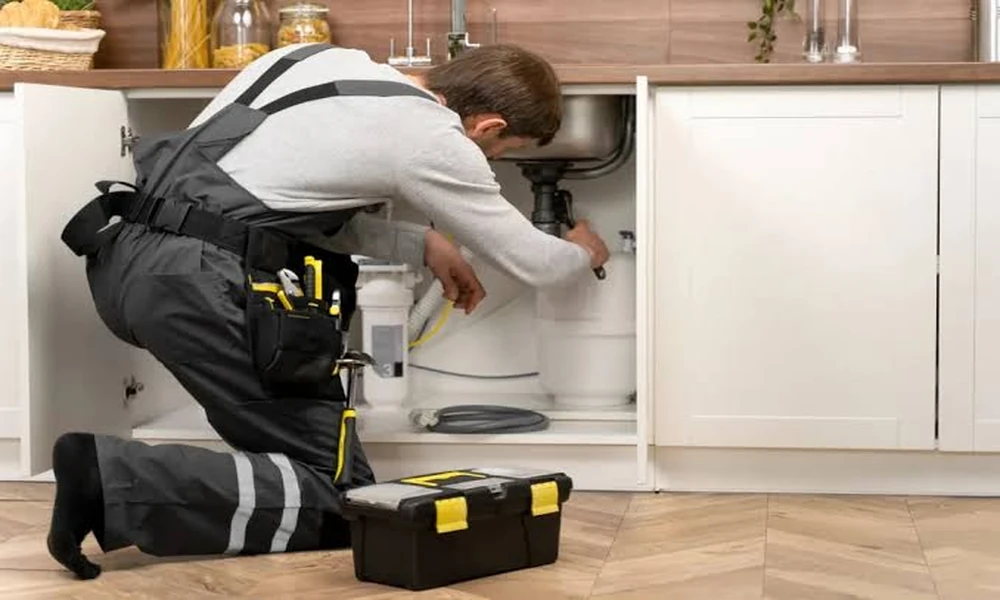
A UK home needs different attention in every season, from clearing gutters before autumn storms to checking the boiler before winter sets in. The most reliable approach is a seasonal checklist covering roof, gutters, heating, plumbing, insulation, and safety devices, tackled roughly every three months rather than left until something breaks. Companies such as 0800 Homefix see this pattern constantly: homeowners who follow a simple seasonal routine spend far less on emergency repairs than those who wait for a problem to force their hand.
This guide breaks the year into manageable sections, so you always know what to check and when, without needing a trade background to understand it.
UK homeowners should carry out home maintenance checks every season: spring for roof and gutter inspection, summer for exterior repairs and ventilation, autumn for heating servicing and drainage clearance, and winter for pipe protection and safety testing. A consistent seasonal routine catches small faults early, protects insurance claims, and avoids costly emergency callouts.
Why a Seasonal Checklist Matters
Homes age unevenly. A roof tile loosened by winter wind might not leak until a heavy spring downpour finds the gap. Left unchecked, that single tile can lead to damp patches, rotting timber, and a repair bill many times higher than a routine inspection would have cost.
Reliable home maintenance services UK-wide follow the same logic insurers use: most claims trace back to gradual wear that was never addressed, not sudden disasters. A seasonal habit turns maintenance into small, manageable jobs instead of one overwhelming crisis.
Spring Home Maintenance Checklist
Spring is the natural starting point, giving you a chance to assess winter damage before it worsens.
- Inspect the roof for missing, cracked, or slipped tiles
- Clear gutters and downpipes of leaves and debris
- Check exterior walls and render for new cracks or damp patches
- Test smoke and carbon monoxide alarms and replace batteries
- Check outside taps and hoses for frost damage after winter
- Look at fencing and garden structures for storm damage
A thorough spring check typically takes half a day and catches most of the issues that winter weather tends to cause.
Summer Home Maintenance Checklist
Warmer, drier months are ideal for exterior work and jobs that involve being outside for longer periods.
- Repaint or touch up exterior woodwork and window frames
- Clean extractor fans in kitchens and bathrooms
- Service the garden drainage and check patios for pooling water
- Trim trees and shrubs away from the roof and guttering
- Check loft insulation and ventilation before the next heating season
- Inspect the exterior brickwork for repointing needs
Summer also suits any larger repair projects, since contractors are less stretched than during the winter breakdown season and materials are easier to work with in dry weather.
Autumn Home Maintenance Checklist
Autumn is arguably the most important season on this list, since it’s the last real chance to prepare the home before demand for heating and drainage spikes.
Booking a boiler service before the cold weather arrives is one of the highest-value jobs a homeowner can do each year. Combined with a gutter clearance, it prevents two of the most common causes of winter emergency callouts: heating failure and water ingress.
- Book an annual boiler service with a Gas Safe registered engineer
- Clear gutters again before leaf fall increases
- Bleed radiators and check central heating pressure
- Check the loft for draughts and insulation gaps
- Inspect the chimney and flue if you have a fireplace or stove
- Test outdoor lighting ahead of darker evenings
Winter Home Maintenance Checklist
Winter maintenance is mostly about protection and monitoring rather than repair work, since weather conditions limit what can safely be done outdoors.
- Lag exposed pipes to prevent freezing and bursts
- Know where the stopcock is in case of a burst pipe
- Keep the heating on low even when away to protect pipework
- Check for ice dams or blocked gutters causing water to back up
- Monitor for condensation and early signs of damp
- Keep pathways and steps clear and gritted in icy weather
DIY vs Calling a Professional
Not every job on a maintenance list is suitable for a homeowner to tackle alone. Understanding where the line sits protects both safety and your home insurance cover.
| Task Type | Safe for DIY | Requires a Professional |
|---|---|---|
| Gutter clearing (ground level) | Yes | No |
| Boiler servicing | No | Yes, Gas Safe engineer required |
| Repainting exterior woodwork | Yes | Optional |
| Drainage or blocked pipe issues | Sometimes | Yes, for persistent blockages |
| Electrical repairs | No | Yes, qualified electrician |
| Roof repairs above ground level | No | Yes |
Gas work, electrical repairs, and anything involving working at height should always go to a qualified tradesperson. It’s not just about skill; it’s often a legal requirement, and getting it wrong can invalidate your home insurance.
Choosing Professional Property Maintenance Services
Not every homeowner has the time, tools, or confidence to handle every seasonal task, and that’s where professional property maintenance services earn their keep. A good provider covers multiple trades under one roof, so you’re not juggling separate contacts for plumbing, heating, and drainage.
Look for a few things before booking anyone:
- Confirm Gas Safe registration for any heating or gas work
- Ask whether call-out fees apply, particularly for emergencies
- Check for a written workmanship guarantee
- Read recent, verified customer reviews rather than relying on a website alone
- Confirm availability for genuine emergencies, not just scheduled visits
When You Need an Emergency Home Repair Company
Some problems can’t wait for the next seasonal check. A burst pipe, total heating failure in winter, or a blocked drain backing up into the property all count as genuine emergencies.
Having a trusted contact already in place before disaster strikes saves precious time when it matters most. Homeowners who wait until the moment of crisis to search for plumbing, heating and drainage experts often end up paying more and waiting longer, simply because they’re starting from scratch under pressure.
Frequently Asked Questions
How often should I check my home for maintenance issues?
A full inspection each season, roughly every three months, catches most problems early without becoming a constant chore.
What is the most important home maintenance task in the UK?
Annual boiler servicing, since it protects safety, warranty cover, and heating reliability through the coldest months.
Can I do most home maintenance myself?
Many tasks, like gutter clearing and exterior touch-ups, are DIY friendly. Gas, electrical, and roof work should go to qualified professionals.
What should I do if I have a home emergency outside normal hours?
Contact a provider offering genuine 24/7 emergency response with no call-out fee, so cost isn’t a barrier to getting help quickly.
Does regular maintenance affect my home insurance?
Yes. Most insurers exclude damage caused by neglect or lack of maintenance, so keeping records of servicing and repairs can protect a future claim.
How do I find trusted home emergency repairs UK-wide?
Look for Gas Safe registration, clear guarantees, verified reviews, and a company that covers multiple trades rather than a single specialism.
Keeping Your Home Protected All Year
A little consistency goes further than most homeowners expect. Working through a seasonal checklist, rather than reacting to problems as they appear, keeps repair costs down and protects one of your biggest investments.
For anything beyond routine DIY, having a dependable, Gas Safe registered emergency home repair company on call makes the whole process far less stressful. 0800 Homefix supports homeowners across London and the South East with plumbing, heating, and drainage cover, backed by a 24/7 response and no call-out fee.