

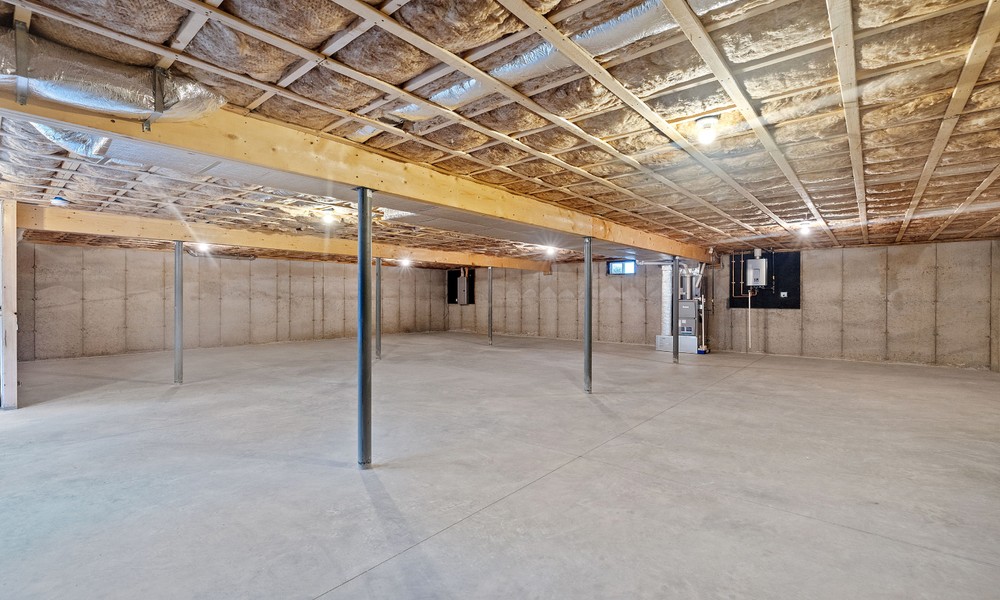
For many homeowners, foundation-related work feels intimidating simply because it is hidden beneath the home and rarely discussed until a problem arises. When basement underpinning enters the conversation, it often comes with uncertainty, technical jargon, and assumptions about cost and disruption. This guide is designed to demystify the process by explaining what basement underpinning actually is, why it is used, and how homeowners can determine whether it is the right solution for their property.
Basement underpinning is not a repair that homeowners encounter casually. It is a structural intervention that permanently alters the foundation of a home. Because of its scope, understanding the process from start to finish is essential before making any decisions.
What Basement Underpinning Is and What It Is Not
Basement underpinning is a construction method used to strengthen and deepen an existing foundation by extending it downward. This is achieved by excavating beneath the current footings in controlled sections and pouring new concrete that allows the foundation to rest on deeper, more stable soil.
What underpinning is not a surface-level repair or cosmetic fix. It does not simply address visible cracks or moisture issues on its own. Instead, it reinforces the structure itself, making it fundamentally stronger than before. This distinction is critical, as it explains both the permanence of the solution and the planning required to execute it safely.
Why Homes Need Basement Underpinning
There are several reasons homeowners consider basement underpinning, and most relate to either structural stability or functional improvement. In older homes, foundations were often built shallower than modern standards require. Over time, this can lead to settlement, cracking, or uneven floors as soil conditions change.
In other cases, homeowners pursue underpinning to increase basement ceiling height. Many basements were not originally designed for living space and lack sufficient headroom. By lowering the basement floor and reinforcing the foundation, underpinning creates the clearance needed for comfortable and compliant use. In both scenarios, the underlying goal is long-term stability rather than temporary improvement.
How the Underpinning Process Works
The underpinning process is carried out in carefully planned stages to ensure the home remains supported at all times. Contractors excavate small sections beneath the existing foundation, one at a time, and pour new concrete footings at a lower depth. Each section is allowed to cure fully before the next is started.
This staged approach is what makes underpinning safe. At no point is the entire foundation undermined. Load is redistributed gradually, maintaining the structural integrity of the home throughout the project. Once all sections are completed, the foundation is deeper, stronger, and better equipped to handle long-term stresses.
The Role of Engineering and Permits
Basement underpinning is not performed without professional oversight. Structural engineers assess soil conditions, foundation design, and load requirements before any work begins. Their plans dictate how deep the underpinning must extend and how the work should be sequenced.
Permits and inspections are also a standard part of the process. These requirements ensure that underpinning meets building code standards and that each stage is completed correctly. While permits and inspections may extend timelines, they provide an added layer of protection for homeowners by ensuring the work is compliant and structurally sound.
What Homeowners Can Expect During Construction
Underpinning is an invasive process, particularly at the basement level. Excavation, concrete work, and material handling all contribute to noise, dust, and disruption. Access to the basement is typically restricted during construction, and homeowners should expect the project to take several weeks rather than days.
Despite this disruption, much of the work occurs below grade, and many homeowners remain in their homes during the project. Clear communication and planning help manage expectations and minimize inconvenience.
How Underpinning Affects Basement Layout and Finishing
Once underpinning is complete, homeowners gain greater flexibility in how the basement is used. Increased ceiling height allows for a finished living space, improved lighting, and better overall functionality. Plumbing, electrical, and insulation upgrades often follow underpinning to fully realize the potential of the space.
It is important to view underpinning as a foundational step rather than a complete renovation. While it enables finishing work, it is typically followed by additional construction to transform the basement into usable space.
Risks of Improper or Incomplete Underpinning
Because basement underpinning alters the foundation itself, mistakes can have serious consequences. Improper sequencing, inadequate curing time, or insufficient concrete strength can compromise structural integrity.
These risks underscore the importance of experience and expertise. Underpinning is not a process that can be rushed or simplified without consequences. Homeowners should prioritize contractors who understand both the technical and structural demands of the work.
Long-Term Benefits of Basement Underpinning
The benefits of basement underpinning extend far beyond the immediate project. Structurally, the home becomes more stable and better suited to handle soil movement and environmental changes. Functionally, the basement becomes a more usable and flexible space.
These improvements contribute to long-term value, whether through increased living space, improved marketability, or reduced risk of future foundation issues. For many homeowners, underpinning represents a one-time investment that delivers lasting benefits.
Is Basement Underpinning the Right Choice for Every Home?
While basement underpinning is highly effective, it is not universally necessary. Homes without structural issues or plans for basement use may not benefit enough to justify the investment. In some cases, alternative solutions may provide sufficient results at a lower cost.
This is why assessment and planning are critical. Understanding the home’s condition, goals, and constraints helps determine whether underpinning is the right approach.
Making an Informed Decision as a Homeowner
Basement underpinning is a complex but powerful solution that addresses foundation limitations at their source. By understanding what it involves, why it is used, and what to expect, homeowners can approach the decision with clarity rather than uncertainty.
When executed properly, basement underpinning provides structural stability, functional flexibility, and long-term peace of mind. For homeowners facing foundation challenges or planning to unlock the full potential of their basement, it remains one of the most comprehensive solutions available.